Physiotherapy after a heart event or heart surgery
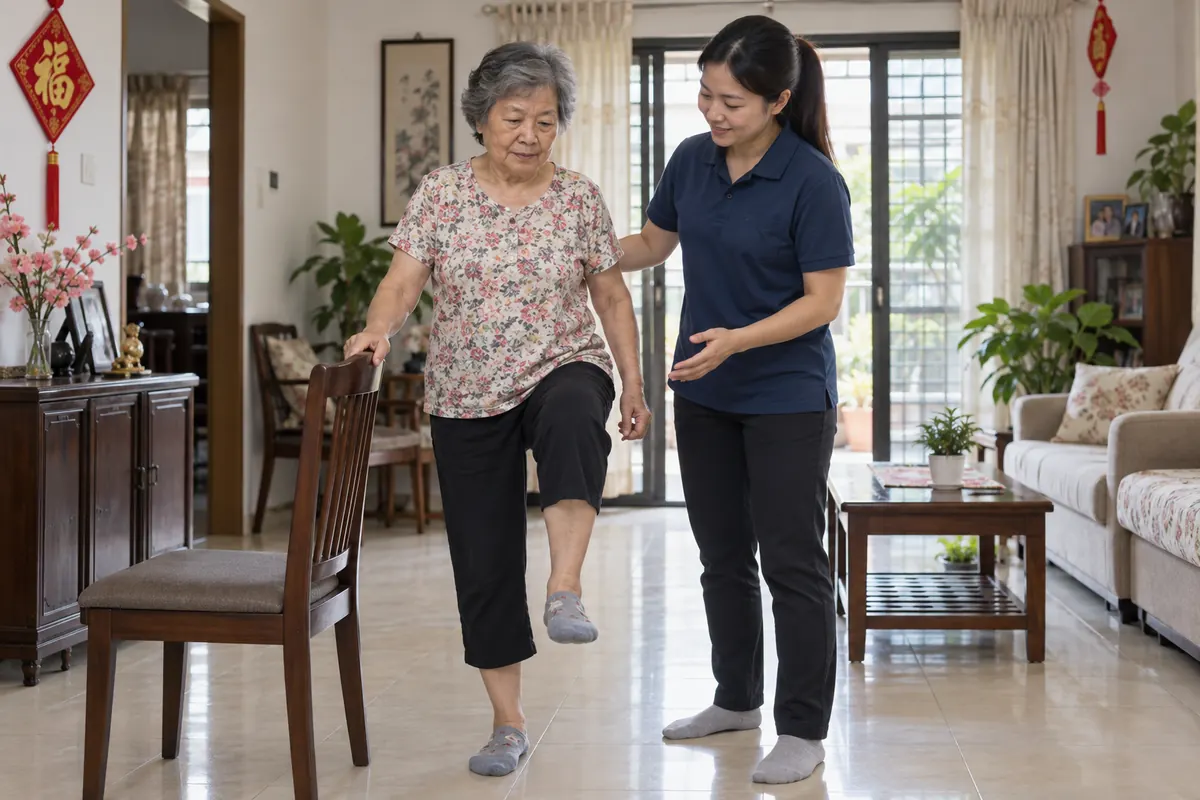
After a heart attack or heart surgery, guided activity at home helps you rebuild confidence and stamina safely.
- Clinically reviewed content
- Home visits around Alor Setar, Sungai Petani and Kulim
- English and Bahasa Malaysia
- A quick reply on WhatsApp
What cardiac rehabilitation physiotherapy covers
This is for people recovering after a heart attack, a heart procedure, or heart surgery, who want to rebuild activity and confidence safely at home. Heart and blood vessel disease is the leading cause of death worldwide, which is part of why structured recovery after a heart event is taken seriously.
It works alongside your cardiologist’s care, not instead of it. We follow whatever limits or advice your doctor has given, and build activity up carefully from there. Guidance recommends that everyone who has had a heart attack should be offered a cardiac rehabilitation programme with an exercise component, whatever their age.
Who this helps
This helps people who feel deconditioned or anxious about activity after a heart event, or whose mobility has dropped during a hospital stay and recovery.
It also helps families who want a therapist to check in at home between hospital reviews, especially when regular travel to a clinic is hard.
Older adults recovering from a heart event often benefit most from being seen in the home they will actually be living and moving in day to day, rather than a clinic setting that does not reflect their real routine.
How activity is paced
Sessions build gradually: gentle movement and walking first, then slowly increasing as your body shows it can manage it.
We watch closely for how you respond, not just to a plan on paper. If something feels too much, we scale back rather than push through.
We also check simple signs at each visit, such as how quickly your breathing settles after activity and how you feel afterwards, not only during the exercise itself.
Working alongside your cardiologist’s care
We work alongside your cardiologist’s care, not instead of it. Where a cardiology follow-up or hospital cardiac rehab programme exists, we work around it, and we ask what your doctor has advised before starting.
If anything about your situation needs medical review first, we say so rather than starting activity that is not yet safe.
When to stop and seek help
Chest pain, severe breathlessness, dizziness, or a fast or irregular heartbeat during activity are reasons to stop straight away and seek medical help. We explain these signs clearly so you know what to watch for between visits, not only during them.
What the first weeks usually look like
The first weeks focus on checking how you tolerate everyday movement: sitting, standing, short walks, and simple household tasks.
A physiotherapist watches closely for how your body responds, not just whether you complete an exercise. Where a person’s condition might worsen with exercise, the plan can be adapted by an appropriately qualified professional rather than skipped altogether.
Activity is added in small steps. A slightly longer walk or a few extra repetitions is real progress, even if it feels modest.
Some days will feel harder than others, especially in the first few weeks after discharge. That is expected, and we adjust the session to match, rather than pushing through a plan that no longer fits how you feel that day.
Other health conditions and cardiac rehab
Many people recovering from a heart event also live with diabetes, high blood pressure, or reduced mobility from another condition. A home plan takes all of this into account, not just the heart.
We ask about every diagnosis and every medication before building the plan, since some conditions change how much activity is safe on a given day.
If something about your combination of conditions needs a specialist’s input first, we say so rather than guessing.
We also coordinate what we can with your other appointments, so the physiotherapy plan supports your wider treatment rather than working against it.
Questions worth asking early
A few useful questions help you plan. What activity level has my cardiologist actually cleared me for? What symptoms mean I should stop and call for help?
How will progress be measured, and how often should the plan be reviewed? What should I do if a symptom appears between visits rather than during one? We answer these at the first assessment, based on what your medical team has told you and what we see in front of us.
If you or a family member is recovering after a heart event or heart surgery, message us the situation and we will explain how paced activity at home could help.
Common questions
Is it safe to exercise after a heart attack or heart surgery?
For most people, yes, once a doctor has cleared some level of activity. Guided, gradually increasing activity is a normal part of recovery. We work within the limits your cardiologist has set and build up carefully, checking how you respond at every step.
Do I need to attend a hospital cardiac rehab programme instead?
Hospital cardiac rehab programmes are valuable and we do not replace them. Home physiotherapy can work alongside one, or help if attending regularly is hard, continuing safe activity between reviews.
What if I feel breathless or unwell during a session?
We stop straight away. Sessions are paced to stay well within what feels manageable, and we teach you the signs that mean slowing down or stopping. If something feels seriously wrong, we tell you to seek medical help immediately.
Why does cardiac rehabilitation matter so much after a heart event?
Recovery from a heart event is not only medical, it also means rebuilding the confidence and stamina to return to daily life. Structured, guided activity is a recognised part of that recovery, done at a pace your body can handle.
Can home cardiac rehab suit someone with other health conditions too?
Often, yes, with the plan adapted to those conditions. We ask about other diagnoses and medications up front, and adjust activity so it stays appropriate for your whole health picture, not just your heart.
Which areas of Kedah do you cover?
We visit homes within about 30km of Alor Setar, Sungai Petani and Kulim. We do not cover Langkawi. Tell us your situation on WhatsApp and we will confirm whether a visit fits.
Sources
- WHO states cardiovascular diseases are the leading cause of death globally, which is part of why structured recovery after a heart event matters. WHO, Cardiovascular diseases fact sheet (2026-09)
- NICE guidance recommends that all people who have had a heart attack, regardless of age, should be given advice about and offered a cardiac rehabilitation programme with an exercise component. NICE NG185, Acute coronary syndromes (2026-09)
- NICE guidance notes the exercise component of cardiac rehabilitation can be adapted by an appropriately qualified healthcare professional for people whose condition may worsen with exercise. NICE NG185, Acute coronary syndromes (2026-09)
If you or a family member is recovering after a heart event or heart surgery, message us the situation and we will explain how paced activity at home could help.